Home  /  Our Story

One category, done properly

BOKALAKA was built around solid acacia utensil sets — dense hardwood, even grain, a food-safe oil finish, and a piece-by-piece check before packing.

“Good kitchen tools shouldn’t shout. They should sit quietly in your hand, last for years, and make every meal a little easier.”

While many sellers shifted to mixed grades or blended timber, we kept a single hardwood standard — dense, even-grained, carefully tone-matched. Quality control evolved from checking each set by hand to enforcing batch pass-rate standards at the factory. Every piece is cut from solid wood, sanded smooth, finished with a clear food-safe oil, and re-checked for smoothness before it leaves the workshop.

Real acacia, not mixed woodDense, even grain with careful color matching; not blended timber or composite wood.
Food-safe finishTransparent clear oil layer; tested under FDA and EU food-contact frameworks.
Per-set quality checkEvery set inspected before packing; factory pass-rate standards enforced on each batch.
Home-kitchen readyFrom a single spoon for everyday cooking to a gift-box set for the new kitchen.
Feedback That Shaped Our Sets

What shoppers told us — and what we changed

Assortments and details evolved from real use feedback, not assumptions about what a kitchen set should contain.

Know Your Wood

Dense hardwood, not soft fast-growth timber

Price differences between wooden utensils usually come down to the wood itself. A denser, slower-grown grade resists dents and warping, holds its grain for years, and feels substantial in the hand.

What wood are BOKALAKA utensils made of? Acacia confusa (small-leaf acacia), density 0.88–0.96 g/cm³, chosen over the faster-growing Acacia auriculiformis and soft mixed timber used in budget sets.

BOKALAKA Grade

Selected Hardwood Acacia

Acacia confusa · Small-leaf / Taiwan acacia
Density0.88–0.96 g/cm³ — hard and heavy in the hand.
GrainVariable wave and tiger figure, light and dark interwoven; strong visual character.
ColorDeep brown to red-brown heartwood, consistent across the set.
StabilitySlow-dried; wear- and rot-resistant once properly kiln dried.
GrowthSlow growth, long maturity, limited yield.
Best usePremium solid wood, cutting boards, crafts and daily cooking utensils built to last.
Budget Alternative

Fast-Growth / Soft Mixed Wood

Acacia auriculiformis · Ear-leaf acacia & soft mixed timber
Density0.55–0.65 g/cm³ — medium-light, softer surface.
GrainStraight and even, little figure; plain, uniform appearance.
ColorPale light brown to yellow-brown, often inconsistent in tone.
StabilityEasy to machine, but lower hardness and less resistance to dents.
GrowthFast-growing plantation, high yield, lower material cost.
Best useOrdinary furniture, trays, packaging and joinery boards rather than heirloom cookware.

Material specifications per supplier reference; grain and tone vary naturally from piece to piece. Confirm species wording against the latest supplier test report before any marketplace listing.

From Timber to Table

Made and checked before it ships

Every BOKALAKA set follows the same production path — selected stock, careful shaping, a food-safe oil finish, piece-by-piece inspection, then packing for dispatch.

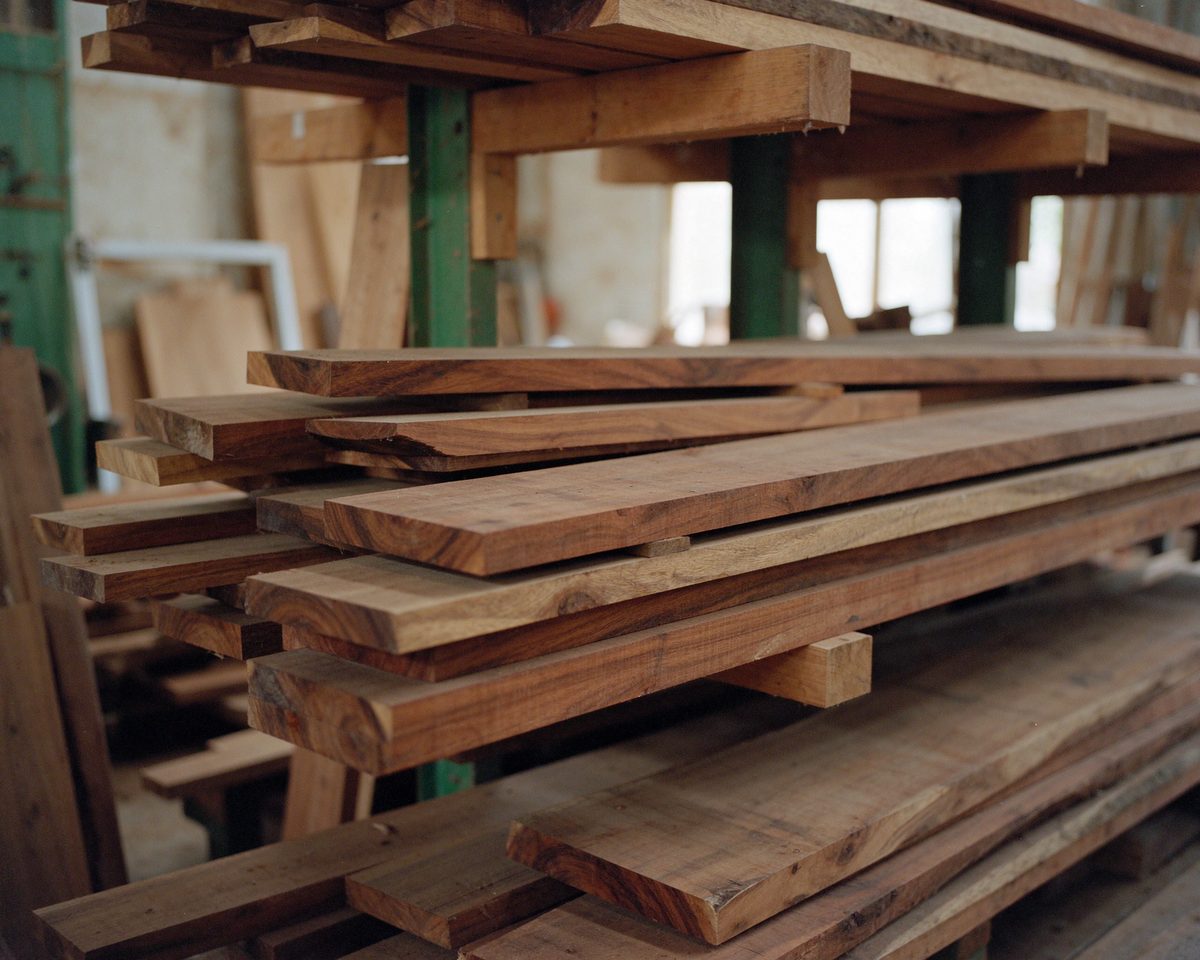
Stacked dried hardwood acacia lumber in the workshop rack
01 Selected & dried timber

Dense acacia stock chosen for even grain and consistent tone, stacked and dried to a stable moisture level.

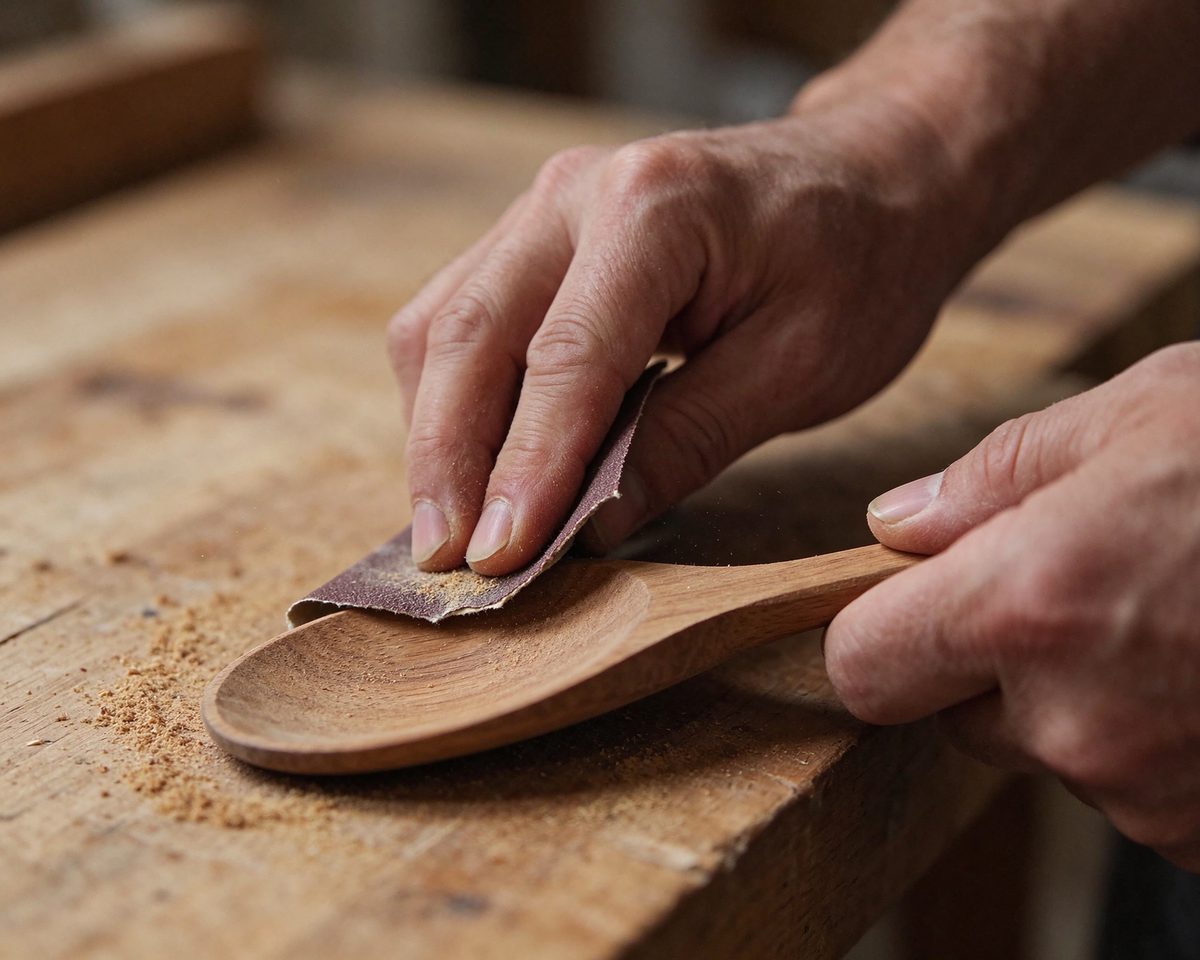
Craftsman hands sanding a wooden cooking spoon smooth
02 Cut & sanded smooth

Each piece is carved to shape and sanded by hand until edges and surfaces are comfortable to hold and use.

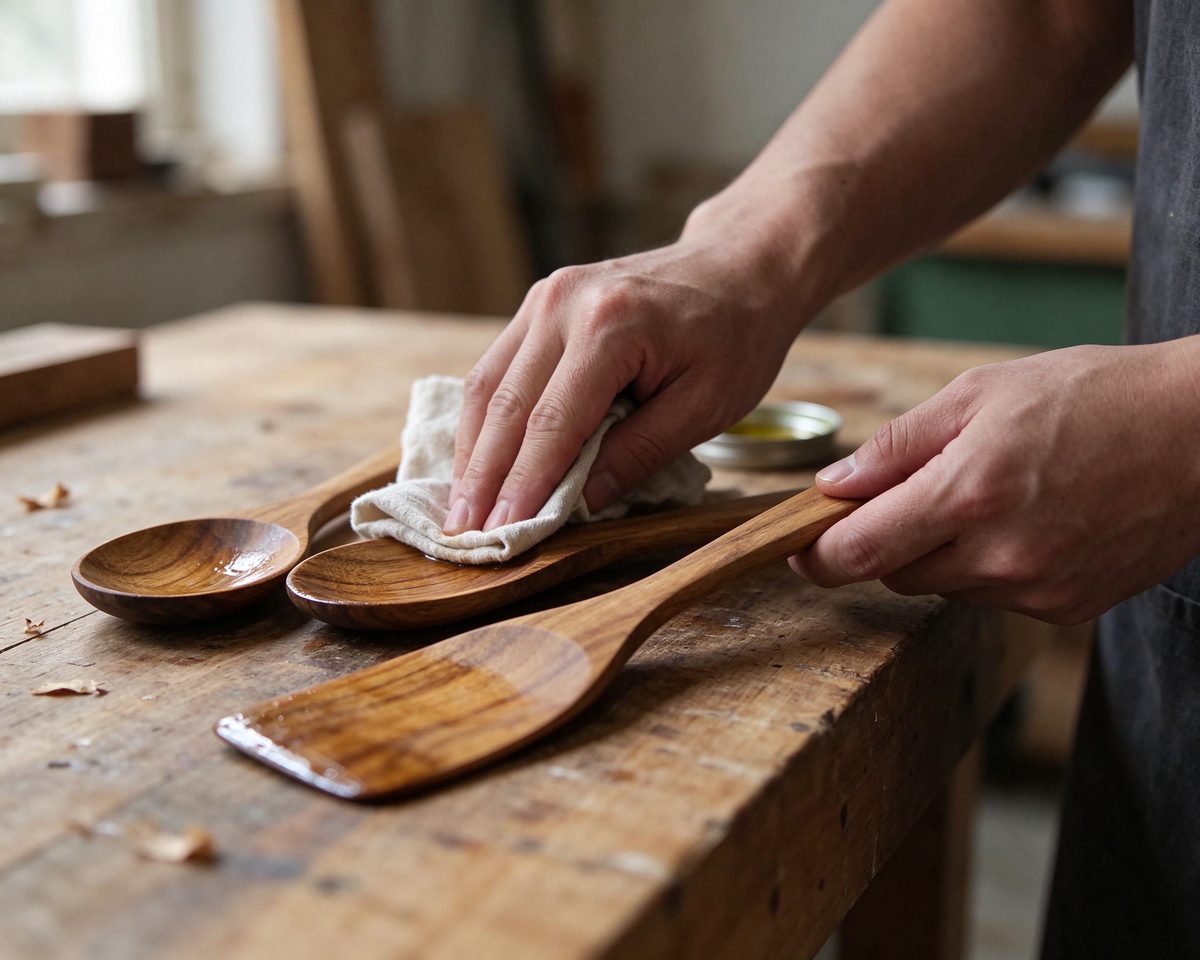
Clear food-safe oil being wiped onto wooden utensils with a cloth
03 Food-safe oil finish

A transparent clear oil layer nourishes the wood, seals the grain and brings out the natural acacia figure.

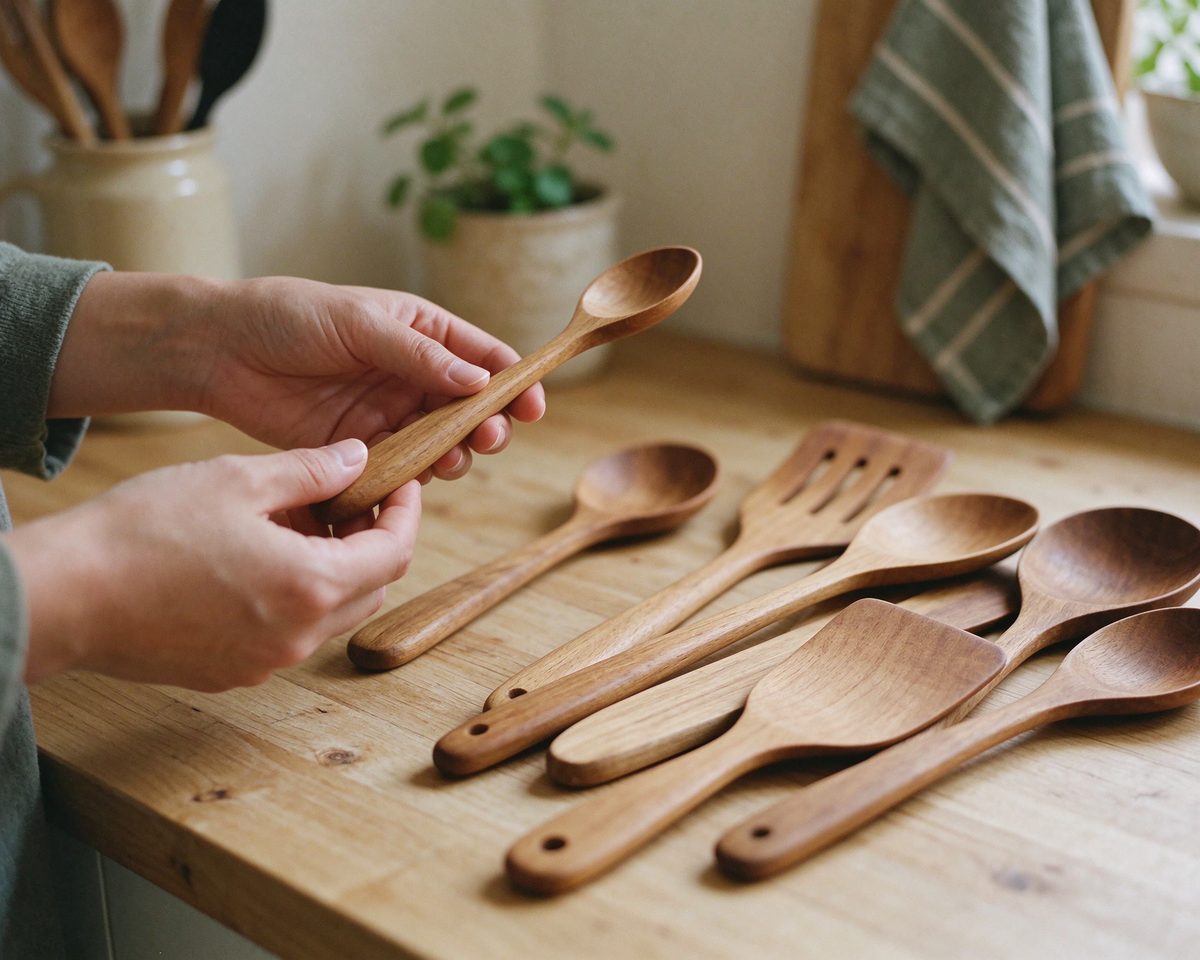
Hands inspecting a laid-out set of wooden utensils for smooth edges
04 Inspected piece by piece

Every set is checked for smoothness, grain defects and finish quality before it is approved for packing.

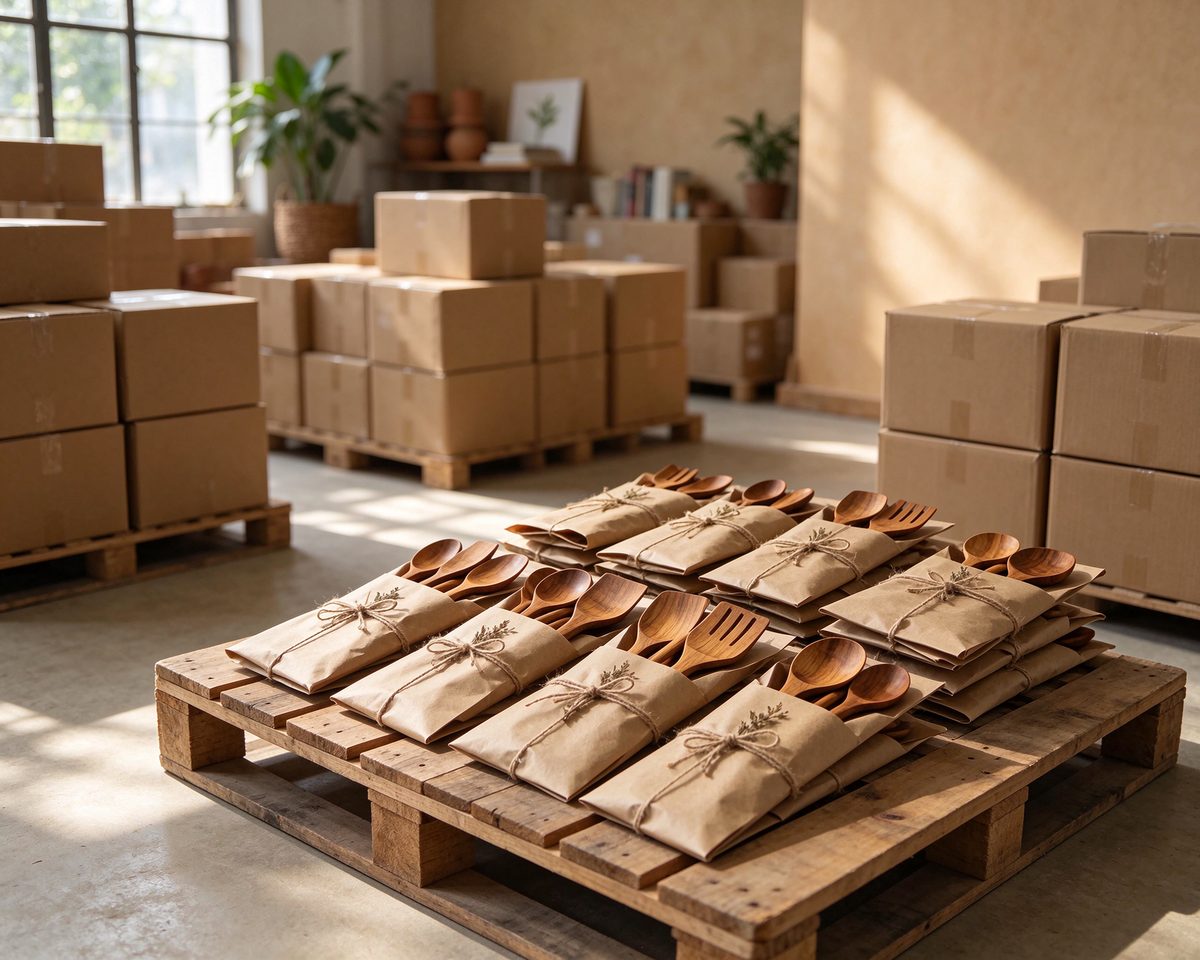
Wrapped utensil sets stacked and ready for shipping
05 Packed & dispatched

Approved sets are bundled and packed to protect the finish in transit, then listed for each regional marketplace.

See the full acacia collection

Single spoons, everyday sets and gift-box editions, linked to the Amazon storefront for your region.

Browse the Collection →
Questions, Answered

About the wood and the workshop

How a solid acacia piece is cut, finished and checked — and why the wood costs more.

Are BOKALAKA utensils dyed or stained?
No. The colour comes from the acacia heartwood itself — deep brown to red-brown with wave and tiger figure — finished with a transparent clear food-safe oil. Nothing is painted, stained or veneered.
Are the pieces glued together from smaller parts?
No. Each utensil is cut from a single piece of solid acacia hardwood: no laminates, no glue lines and no melamine core. The only material added is the transparent clear food-safe oil finish.
Why do BOKALAKA sets cost more than cheaper wooden utensil sets?
Because of the wood. BOKALAKA uses Acacia confusa (small-leaf acacia) at 0.88–0.96 g/cm³ — a dense, slow-grown hardwood. Budget sets are usually fast-growing Acacia auriculiformis or soft mixed timber at 0.55–0.65 g/cm³, which dents and warps sooner. Both are tested for food contact; the difference is how long the set lasts.
How are the pieces made and checked?
Five steps: selected and dried timber, hand shaping and sanding, a transparent clear food-safe oil finish, piece-by-piece inspection for smoothness and grain defects, then protective packing. Every set is inspected before it ships.